Porosity is the most common reason an enclosure casting gets rejected at inspection. On a part that must hold pressure or stay sealed, a few trapped voids become leak paths. The thing is, porosity is predictable and controllable at the press, and you can verify it with methods that need no expensive equipment.
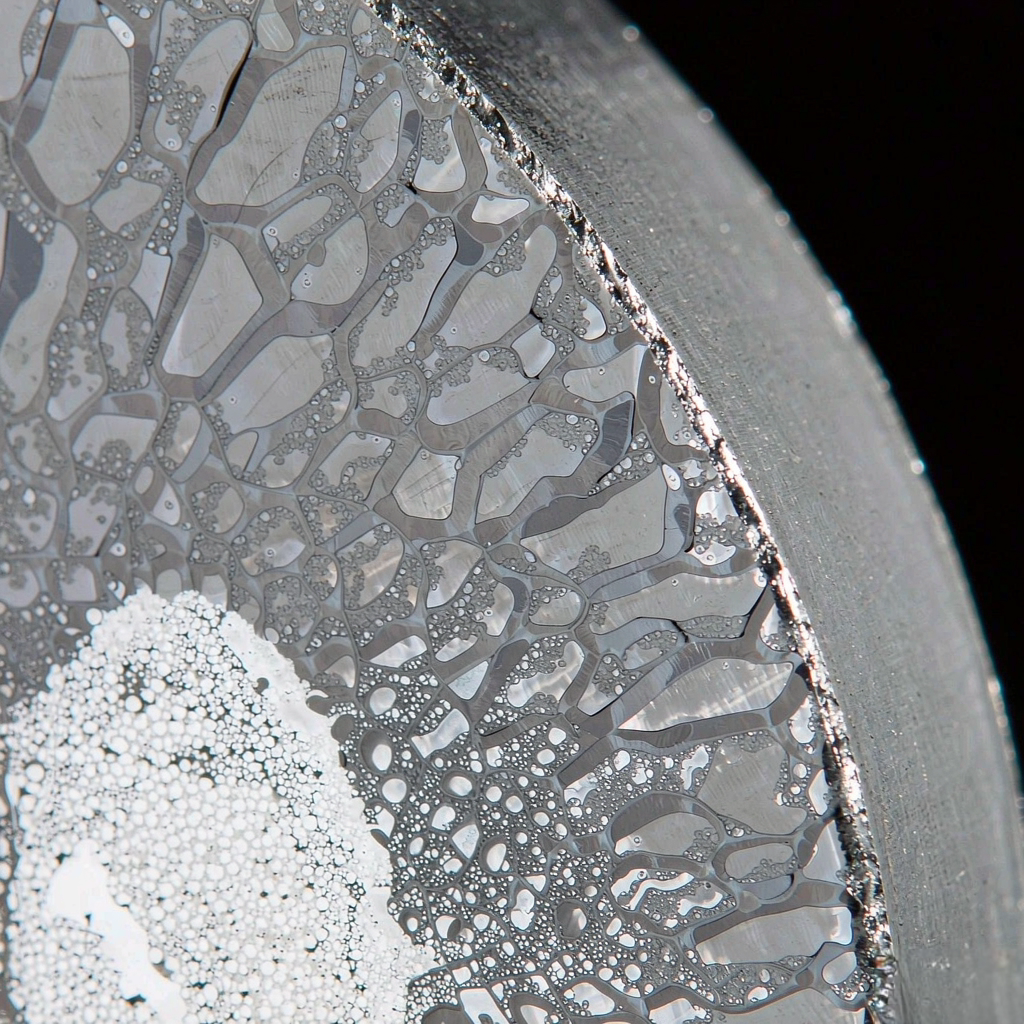
Why porosity matters
In an enclosure or fluid-facing part, pores link into leak paths and push up the non-destructive-test reject rate. The cost is not just scrap. A leak found at assembly, or worse in the field, costs far more than one caught at the press.
What causes it
Two mechanisms dominate. Air gets trapped as metal fills the cavity, and shrinkage sets in where a thick section freezes after the feed path has closed. Both show up on long, thin flow paths and where thick meets thin, so geometry is the first thing to fix.
How it is controlled at the press
Vacuum assist pulls air from the cavity before and during fill. On pressure-tight parts it is the change that matters most.
Gating and runner design feed metal to the far end before it freezes, so isolated pockets do not form.
Holding a process window (shot speed, plunger position, die temperature) keeps every shot inside the band that produces sound metal.
Venting and overflows give displaced air and the last cold metal somewhere to go.
How it is measured
Two practical methods verify porosity. Metallography checks a polished cross-section under a microscope and measures the pore area fraction against an agreed acceptance class. The density method (Archimedes principle) compares a part’s measured density to its theoretical density and reports a porosity percentage. Both are shop-floor methods a buyer can specify and audit directly, with no special imaging kit required.
Control method vs effect (typical)
| Control action | Effect on porosity |
|---|---|
| Vacuum assist | large reduction in entrapped air |
| Gating / runner redesign | removes isolated cold pockets |
| Process-window control | consistent, repeatable soundness |
| Added venting / overflows | evacuates air and last cold metal |
Frequently asked questions
What causes porosity in die castings?
Two mechanisms dominate: air entrapped as the cavity fills, and shrinkage where a thick section freezes after the feed path closes. Long thin flow paths and thick-next-to-thin sections are where both appear.
How is casting porosity measured?
Two practical methods: metallography measures pore area fraction on a polished cross-section against an agreed acceptance class, and the density method (Archimedes) reports porosity from the gap between measured and theoretical density. Both are shop-floor methods a buyer can specify and audit.
How is porosity controlled for pressure-tight parts?
Vacuum assist is the biggest lever, pulling air from the cavity before fill. Gating and runner design remove isolated cold pockets, a controlled process window keeps every shot in the sound band, and added venting and overflows evacuate displaced air.
Sureton Precision Manufacturing runs aluminium and zinc die casting (88 to 800 tonne presses) and in-house CNC for appliance, electronics and instrument hardware. This guide reflects established practice and stated capabilities; it is not a quotation or a guarantee of any specific part. Contact: [email protected]
See how Sureton handles porosity control in production on our die casting services page.