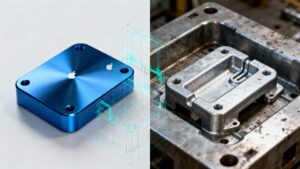
Why do high-end TWS cases and vape pens feel so “expensive”? It’s the density of Zinc. We explore the haptic advantages, electroplating superiority, and the technical choice between Zamak 3 and Zamak 5 for consumer electronics.
In the world of Consumer Electronics, Perceived Value is everything.
When a consumer picks up a device, their brain makes a split-second judgment based on weight and temperature.
Light and Warm: Feels like cheap plastic.
Heavy and Cold: Feels like premium metal.
This is why, despite the obsession with “lightweighting” in automotive, the trend in high-end electronics (TWS earbuds, smart wearables, vape devices) is moving toward Zinc Alloy (Zamak).
At Sureton, we are a Custom zinc alloy die casting supplier for brands that refuse to compromise on that “premium feel.” Here is the engineering logic behind why you should choose Zinc over Aluminum for your next housing.
1. The Density Factor: The “Heavy” Advantage
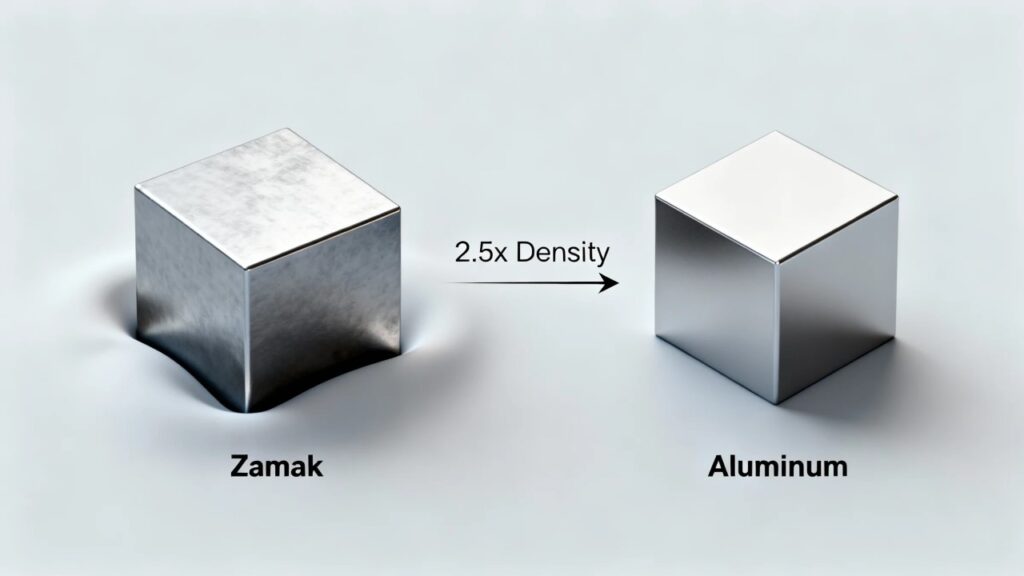
The most immediate difference is physical density.
Aluminum (ADC12): ~2.7 g/cm³
Zinc (Zamak 3): ~6.7 g/cm³
Zinc has a significantly higher density—approximately 2.5 times that of aluminum. This translates to that substantial, premium heft in the hand.
For a small component like a Bluetooth earbud charging hinge or a USB drive housing, aluminum feels too light—almost like plastic. Zinc provides that satisfying “heft” and solidity that consumers associate with luxury (think of a high-end watch or a Zippo lighter).
Design Tip: If your product is handheld and small, use Zinc to add gravitas. If it is large and handheld (like a tablet), stick to Aluminum or Magnesium to prevent fatigue.
2. The “Jewelry” Finish: Unmatched Plating Capabilities

This is Zinc’s superpower.
Aluminum is notoriously difficult to electroplate. It requires complex pre-treatments (zincating) and often suffers from blistering or pitting.
Zinc, however, is the perfect substrate for Electroplating.
Mirror Chrome / Black Nickel: Zinc accepts plating readily, creating a flawless, mirror-like finish that is impossible to achieve on plastic and difficult on aluminum.
PVD (Physical Vapor Deposition): For high-wear items (like smartwatches), we can apply PVD coatings over the zinc base for extreme hardness and exotic colors (Gold, Rose Gold, Gunmetal).
Touch Feel: A plated zinc part feels cool to the touch, reinforcing the metallic quality.
Sureton’s Capability: We offer in-house polishing and partner with Tier-1 plating lines to deliver cosmetic surfaces that meet rigorous industry standards for corrosion resistance, such as prolonged neutral salt spray testing.
3. Zamak 3 vs. Zamak 5: Which Alloy to Choose?
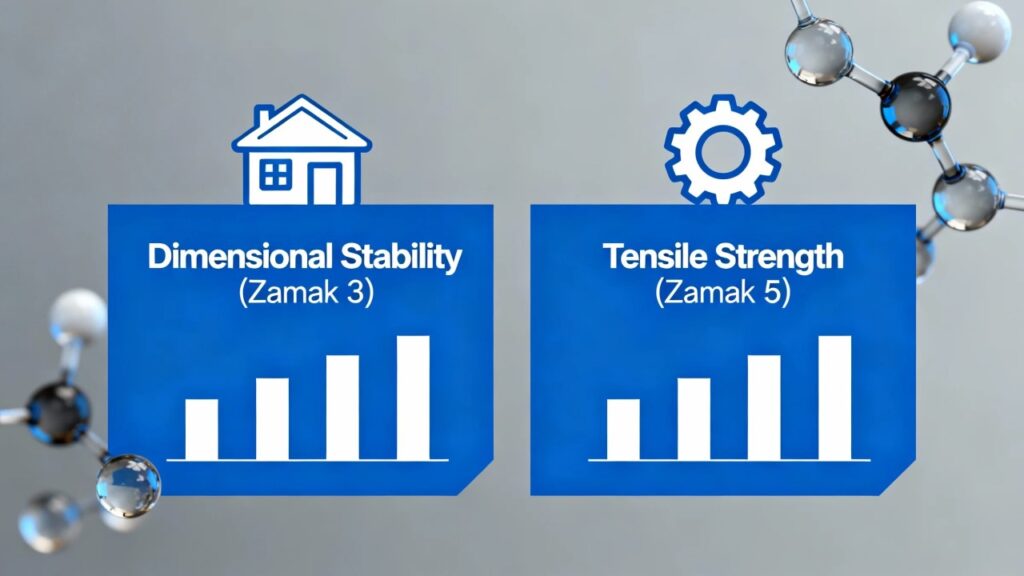
“Zamak” is a family of alloys. The two workhorses are Zamak 3 and Zamak 5. Choosing the wrong one can lead to assembly failures.
Zamak 3 (The Industry Standard)
Composition: ~4% Aluminum, ~0.04% Magnesium, Balance Zinc.
Characteristics: Excellent dimensional stability and flow. It holds the tightest tolerances over time.
Best For: 90% of applications. Housings, connectors, decorative trim. If you aren’t sure, start here.
Zamak 5 (The Stronger Sibling)
Composition: Based on Zamak 3 with the addition of ~1% Copper, which modifies the alloy’s mechanical properties.
Characteristics: The copper increases Tensile Strength and Hardness, but slightly reduces ductility (elongation).
Best For: Parts that take a beating or load. Hinges, buckles, structural clips, or threads that will be torqued frequently.
Sureton’s Advice: Unless you have a specific strength requirement, specify Zamak 3. It is cheaper, more available, and easier to plate.
4. Precision & Thin Walls: Net-Shape Casting
Zinc has a lower melting point (~385°C – 420°C) and higher fluidity than aluminum.
This allows us to cast incredible detail.
Wall Thickness: We can cast zinc walls down to 0.50mm.
Zero Draft: In some cases, we can cast internal features with **minimal draft angles** (using 4-slide tooling), drastically reducing or eliminating the need for secondary machining. (using 4-slide tooling), eliminating the need for secondary machining.
Threads: We can cast external threads directly.
This “Net-Shape” capability often makes the total part cost of Zinc lower than Aluminum, even though the raw material is more expensive per pound, because we eliminate CNC machining steps.
5. The Tooling Economics: 1 Million Shots
Here is a decisive advantage for the Procurement team.
The thermal shock on a steel mold is directly related to the temperature of the molten metal. Zinc’s lower melting point (~385°C – 420°C) compared to Aluminum (~660°C) is far less aggressive.
Aluminum die casting molds typically endure in the order of **tens of thousands** of shots due to high thermal stress.
In contrast, zinc molds, benefiting from lower melting points, can often achieve **lifespans in the hundreds of thousands**, offering superior long-term tooling economics for high-volume projects.
The Business Impact: If you are launching a consumer electronic product with a forecast of 500,000 units per year, Zinc tooling approaches a “buy once” investment. With Aluminum, you would likely be planning for multiple mold refurbishments or replacements over the same period.
Elevate Your Product Design
Don’t let your product feel “cheap.”
If you are designing the next generation of wearables, audio devices, or EDC (Everyday Carry) gear, Zinc Alloy might be the material that differentiates you from the plastic competition.
Need a DFM review?
Contact Sureton today. We can send you a sample kit comparing Zamak 3 and Zamak 5 finishes so you can feel the difference yourself.