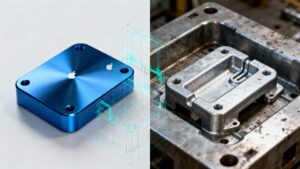
The gating system is the heart of HPDC tooling. Learn the engineering principles behind Ingate placement, Runner design, and Overflow optimization to control porosity and ensure high-quality die casting parts.
In High-Pressure Die Casting (HPDC), the mold is more than just a shape; it is a complex fluid dynamic system.
The Gating System (comprising the sprue, runners, gates, and overflows) controls the speed, pressure, and direction of the molten metal. It dictates the thermal balance of the tool and, ultimately, the quality of the casting.
A poorly designed gating system leads to porosity, cold shuts, and surface defects. A well-designed one ensures density, dimensional stability, and extended tool life.
At Sureton, we combine classical fluid dynamics with advanced Mold Flow Analysis to engineer gating systems that deliver precision. Here are the critical design principles we follow to ensure your parts are molded right the first time.
1. Ingate Design: The Critical Entry Point
The Ingate (Inner Gate) is where the metal accelerates into the cavity. Its location is the single most important decision in mold design. We analyze the part geometry to predict “dead zones” and air entrapment risks before cutting steel.
Key Design Principles:
Minimize Turbulence: The metal path should be direct. We aim to reduce circuitous routes and sharp turns to prevent eddy currents that trap air (porosity).
Fill Deep Areas First: The gate should direct metal to the deepest parts of the cavity first. This prevents the metal from sealing off the parting line vents prematurely, which would trap gas inside the part.
Prevent Cold Shuts: We design the flow to minimize flow separation. When split metal fronts meet again, they must be hot enough to fuse completely.
Pressure Transmission: Gates are typically placed at the thickest wall section. This allows the injection pressure to transmit effectively during the intensification phase, feeding shrinkage as the part cools.
Protect the Tooling: We avoid directing high-velocity metal directly at delicate cores or pins. Direct impact causes soldering (sticking) and rapid erosion of the steel.
Aesthetic Considerations: Gates are never placed on critical cosmetic surfaces or high-precision datum faces, as the trimming process leaves a witness mark.
2. Runner Design: The Arteries of the Mold
The Runner (Cross Runner) connects the sprue to the ingate. It is not just a pipe; it is a pressure regulation system.
Key Design Principles:
Tapered Cross-Section: The runner area must gradually decrease from the sprue to the ingate.
The Physics: If the runner expands, the metal velocity drops, creating a negative pressure zone that can suck air into the stream. A tapering runner ensures positive pressure and excludes air.
Area Ratio: The cross-sectional area of the runner must always be larger than the ingate area to maintain velocity control.
Smooth Transitions: We avoid sudden expansions or contractions to maintain a stable Reynolds number (laminar flow).
Blind Runners (Cold Slug Wells): We extend the runner slightly past the ingate. This “blind” dead-end captures the initial plug of cold, dirty metal, ensuring only clean, hot metal enters the cavity.
3. Overflow Wells: More Than Just Waste
Overflows are often misunderstood as just “trash cans” for excess metal. In reality, they are sophisticated thermal and quality control devices.
The 4 Functions of a Smart Overflow:
Slag Trap: They capture the oxidized “skin” and cold metal from the flow front, keeping the part material pure.
Thermal Balancing: By placing overflows near thin or distant sections of the part, we force more hot metal to flow through those areas, warming the steel and preventing cold shuts.
Porosity Relocation: We strategically place overflows to move shrinkage porosity out of the critical part geometry and into the scrap tab.
Ejection Balance: Overflows provide additional surface area for ejector pins. This is crucial for keeping the part on the Moving Half (Ejector Side) of the mold during opening.
4. Strategic Overflow Placement
Where we put the overflow is just as important as where we put the gate.
Placement Rules:
Flow Convergence Zones: Place overflows where two metal fronts meet (weld lines) to flush out the cold metal and ensure a strong bond.
Dead Corners: Any area where the metal flow might stagnate needs an overflow to encourage movement.
Thick Sections: Adding a large overflow to a localized thick section can help move shrinkage voids out of the part.
Last-to-Fill Areas: These are critical for venting. The overflow acts as the final exit point for the air being pushed ahead of the metal.
No Backflow: We never design multiple inlets into a single small overflow, as this can cause turbulence and push dirty metal back into the cavity.
Conclusion: Engineering, Not Guesswork
A great die casting is not an accident; it is the result of calculated engineering. By optimizing the Gating System, Sureton minimizes scrap rates, improves surface finish, and ensures the structural integrity of your components.
Designing a new die-cast part?
Don’t leave the mold design to chance. Contact Sureton. Our engineering team will perform a comprehensive DFM and Mold Flow Analysis to design a gating system that guarantees performance.